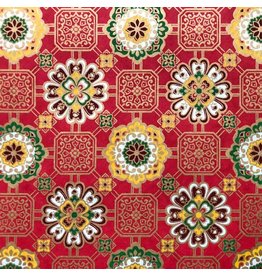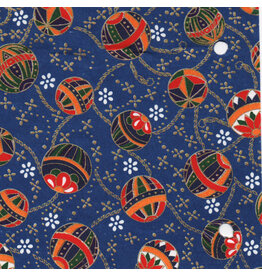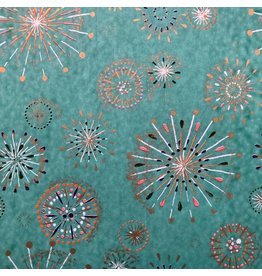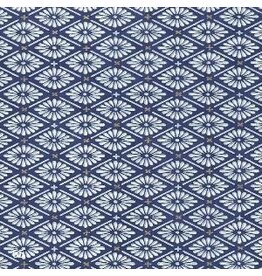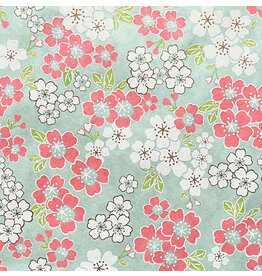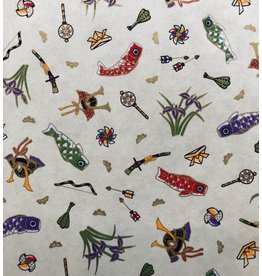
Washi is the Japanese word for paper: wa means Japanese and shi means paper. It is made from the bark fibres of various trees that grow in Japan, usually kozo (mulberry). Washi is a traditional, acid-free paper known for its exceptional strength and durability.
The art of washi paper making was introduced to Japan as early as 610 BC by Buddhist monks, who used it for writing sutras. Due to the intensive and time-consuming production process, washi has acquired a special cultural value, with respect for the material and the avoidance of waste being seen as virtues.